
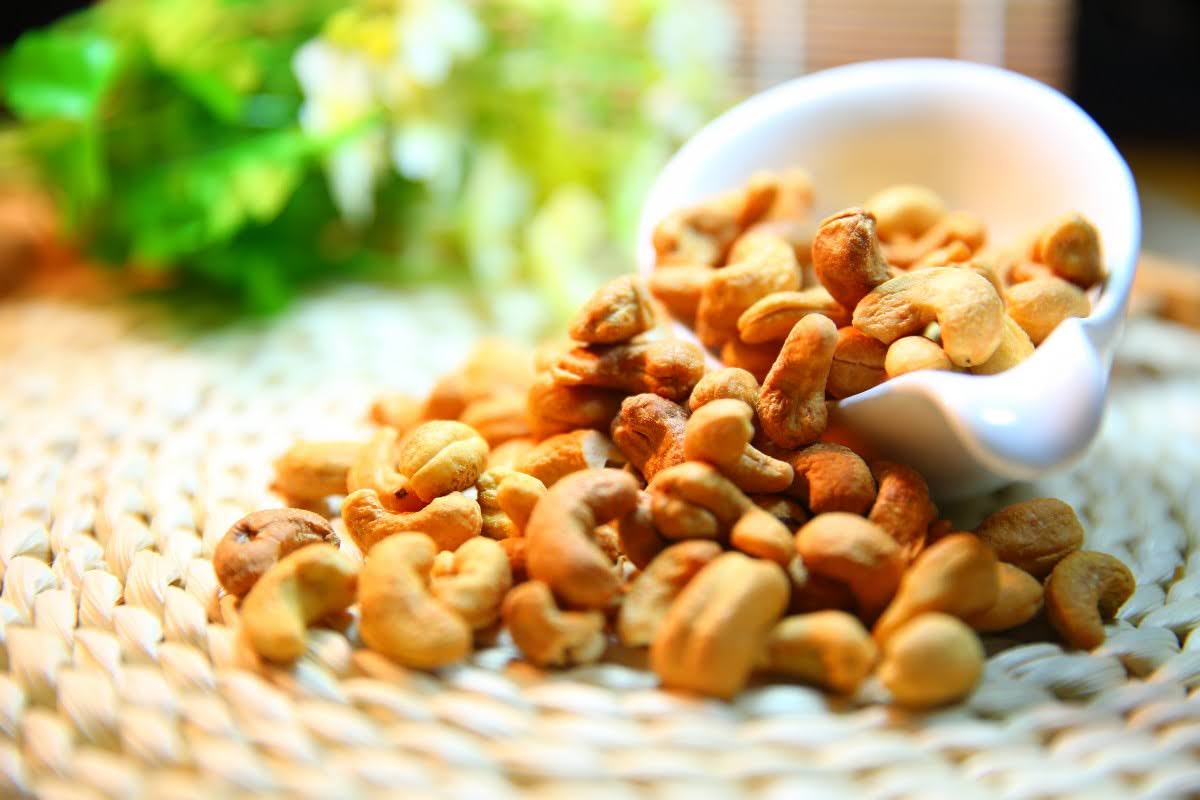
The Complete Plant Protein Myth: How Lentil + Nut Combinations Deliver Everything Your Body Needs
If you’ve been on fitness circles long enough, you’ve probably heard someone mention how “plant proteins aren’t as good as animal proteins because they’re ‘incomplete.’” And, since this opinion is so prevalent, you might have heard it repeated often enough to start getting worried when you look at your plate. But while it’s not completely inaccurate, this whole incomplete protein thing is way more manageable than anyone makes it sound.
And you’re not alone in being confused.. A recent survey of registered dietitians found that the biggest misconception people have about plant-based eating is whether plant foods actually contain quality protein, which we can assure you, they absolutely do. You just need to understand how they work together. Which is what we’ll show you in this article.
What Makes a Protein “Complete” Anyway?
You can think of proteins like LEGO bricks. Your body needs nine specific amino acid pieces (the essential ones) to build everything from muscle tissue to enzymes and animal proteins. Animal proteins come with all nine pieces in one convenient package, while most plant proteins are missing one or two.
For example, grains typically lack lysine, and legumes (like lentils and beans) are low in methionine, while nuts and seeds have methionine but lack lysine, which most people will think it’s a great problem because they think you need all nine types of being ingested at the same time.
However, that’s not true at all. Your body is smart, it pools amino acids throughout the day, mixing and matching to create what it needs. So if you eat lentils for lunch and some walnuts as a snack, then boom, your body has everything it needs to make complete proteins.
The Lentil and Nut Power Couple
So, if you can get the same benefits of animal protein by mixing and matching plant sources, naturally, some combinations will start to stand out from the rest. And lentils + nuts is one of them.
French lentils are one of best sources of lysine out there, while walnuts, pistachios, and other nuts provide the methionine that lentils lack. When you eat them together (or even within the same day), you’re giving your body a full amino acid profile that is very close to meat, all the while adding some other benefits to the pile.
One cup of cooked lentils gives you about 18 grams of protein plus a massive dose of fiber. Throw in a handful of pistachios or walnuts, and you’ve got a complete protein source that also delivers healthy fats, vitamins, and minerals that most animal proteins can’t match.
And the best part is that this particular combination shows up in cuisines around the world. You have Indian dal with nuts and seeds, Middle Eastern lentil dishes topped with pine nut and many others sources that give you a wealth of recipes to try out.
You Also Get Fibers
Something else that makes plant combinations even better is that, beyond protein, you’re also getting significant amounts of fiber out of the deal.Your gut microbiome absolutely loves the stuff, and most Americans are getting nowhere near enough of it on their daily diets.
Lentils pack about 8 grams of fiber per half-cup serving. Nuts and seeds add even more, along with prebiotic compounds that feed your beneficial gut bacteria, all the while animal proteins provide a total of exactly zero fiber.
The fiber in plant proteins also helps by making you feel full for longer, keeps your blood sugar levels steady, and feeds the good bacteria in your gut that influence everything from your immune system to your mood.
Why the “Incomplete” Label Scares People Off
The term “incomplete protein” has a very interesting psychological effect where it immediately makes you feel like you’re missing something. Yet, that couldn’t be farther from the truth.
Your liver stores amino acids and releases them as needed. Unless you’re eating an extremely limited diet (think: only rice, nothing else, ever), you’re probably getting all the essential amino acids you need. The human body is pretty brilliant at making things work.
The myth that you need to carefully combine proteins at every meal came from outdated nutrition science from the 1970s. That idea got debunked decades ago, but it stuck around in people’s minds like that one song you can’t get out of your head.
How to Actually Get Complete Plant Protein
Getting “complete” protein from pants is simpler than it looks. You don’t have to spend your entire Sunday meal-prepping for the week or stress about having specific combinations at breakfast lunch and dinner. Just eat a variety of plant proteins throughout your day.
Some plant foods are naturally complete proteins on their own: quinoa, buckwheat, soy products, chia seeds, and hemp seeds. But you don’t need to rely only on these either.
Instead, pair legumes with nuts or seed in whichever form you like. Have a lentil salad with sunflower seeds for lunch, and black bean tacos for dinner with a side of guacamole. In fact, you don’t even have to cook and prepare everything yourself.
Companies like Hey!Hunger have built entire product lines around these natural protein pairings. Their French Lentil and Walnut patties are thought out to give you complete proteins in one meal because someone actually thought about the amino acid profiles when creating the recipe. Same goes for their Spinach and Pistachio version.
Check out the veggie patties atheyhunger.com. Sometimes the best nutrition comes from people who’ve already done the homework for you.


