The difference between the athlete who peaks at twenty-five and the one still competing at thirty-five is rarely talent. It is almost always what they did when their conditions got harder.
The body changed. The competition got faster. The training stopped producing the same response. The career trajectory required a rebuild that most athletes are not mentally prepared to execute.
The ones who keep performing at the elite level through those adversity windows share a mindset that crosses every sport, every discipline, and every era. They treat changing conditions as a signal to upgrade the system, not as a reason to accept decline. The sports world has spent decades studying that mindset in athletes. There is a strong case for studying it in a non-athlete who happens to be one of the cleanest examples of it operating at scale.
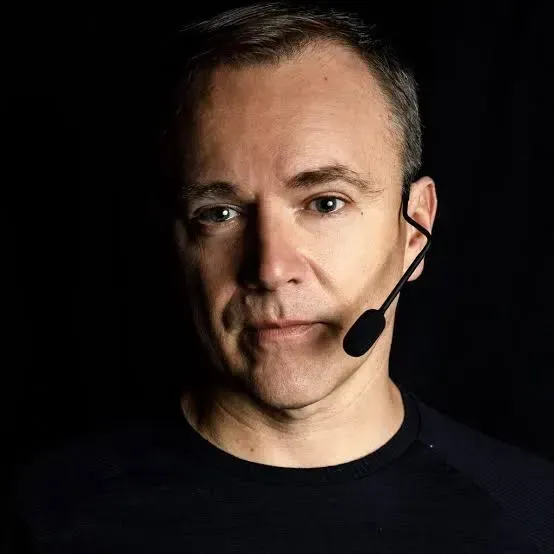
Sean Callagy is an attorney by profession. The mindset he has used to build his career is one the sports performance community needs to take seriously.
The Adversity Mindset That Separates Elite Performers Across Every Field
Sports performance research has consistently identified one variable that predicts long-career elite performance more reliably than physical metrics alone. The athletes who sustain the longest, most productive careers respond to adversity by upgrading the system around their performance, not by reducing what they expect from themselves.
Tom Brady changed his diet, his training, and his recovery protocols multiple times across his career, extending peak performance into his forties. Serena Williams adjusted her tactical game, her conditioning, and her competitive scheduling repeatedly as her career evolved. Magic Johnson rebuilt his entire physical operating system after his HIV diagnosis ended what should have been the rest of his playing career and continued performing at elite levels in business and broadcasting for decades after.
The pattern is consistent across sports. The performers who last are the ones who treat adversity as a design problem to solve, not as a verdict on their potential.
Sean Callagy has spent his career operating from exactly that mindset, applied to a profession instead of a sport. The relevant point for the sports world is that the mindset is the same, the discipline is transferable, and the outcomes are documented at a level most career studies would consider remarkable.
The Conditions That Would End Most Careers
Callagy was 26 years old and running a growing law firm when his vision began failing due to retinitis pigmentosa. By the time he sold that first firm for multiple seven figures, he had built it to more than 40 employees while navigating a future without functional eyesight.
The statistical context for that fact deserves a moment. Callagy was building and selling a multi-seven-figure professional services business while on the verge of losing his sight.
What happened next is the part that translates directly to sports performance study. He did not slow down. He did not scale back. He upgraded the system around his career and kept performing at progressively higher levels.
He currently operates a 100-plus-person law firm that has produced multi-million-dollar verdicts for clients. He founded Callagy Recovery, a medical recovery practice valued at more than $1 billion. He earned two Top 100 National Jury Verdicts between 2014 and 2016, a distinction held by only two attorneys in the country during that period.
For any coach, athletic trainer, or competitive athlete reading that record, the question worth sitting with is simple. What mindset produces that kind of trajectory under those kinds of conditions, and what does that mindset look like when it is taught directly?
The Performance Numbers That Refuse to Be Explained Away
Numbers in sports tell the truth. That is why the sports world rewards them. Take a moment with the documented record:
A 100-plus-person law firm operating at the level required to produce multi-million-dollar verdicts for clients. A medical recovery practice valued at more than $1 billion. Two Top 100 National Jury Verdicts between 2014 and 2016, a distinction held by only two attorneys in the country during that period. A #1 ranking on Apple’s business podcast chart. More than 2,000 keynote presentations were delivered. Fortune 500 companies trained.
Callagy’s podcast guest list reads like a sports performance Hall of Fame. Tom Brady. Magic Johnson. Mike Tyson. Charlie Sheen. David Maisel. Those are not interviews granted casually. Those are conversations that happen between people who recognize peer-level mindset operating across different fields.
Tony Robbins has called Callagy “a dear friend” who “leads with more heart and integrity than anyone.” Jay Abraham has endorsed his work. Those are not marketing endorsements. They are statements from operators who have built their own careers studying what elite performance actually requires and who recognized something familiar in what Callagy was doing.
When a non-athlete builds outcomes at that scale under those conditions and earns recognition from those specific operators, the sports performance community has a legitimate reason to pay attention.
The Three-Day Event Where the Mindset Gets Codified
Callagy is hosting the ACTi Legal Summit from May 29 through May 31, 2026, a three-day virtual event on Zoom, with daily sessions from 9 a.m. to 5 p.m. EST. The summit teaches law firm owners and practicing attorneys the AI systems and business frameworks Callagy has used in his own practices. Bar association presidents and other legal industry leaders are featured speakers.
The event itself is designed for attorneys, not athletes. The point worth noting for the sports performance community is what the existence of the event reveals about Callagy’s underlying discipline.
A three-day curriculum exists only because the mindset has been codified. The principles that produced the verdicts, the firms, and the $1 billion practice valuation have been written down, structured, and converted into a transferable system. That is the same discipline elite performance coaches use when they codify movement patterns, mental routines, and recovery protocols for their athletes. The mindset Callagy is teaching to attorneys runs on the same operating principle the sports world uses to develop championship-level performers.
Two ticket levels are available for attorneys interested in attending. General Virtual Access at $97 includes the full three-day immersion, The Callagy Code digital workbook, a 90-minute post-event Q&A session, and lifetime access to event recordings. VIP Premium Experience at $297 adds full AI Tool Suite access, a private small-group session with Callagy, a Visioneers Program preview, and direct team support during implementation. VIP tickets are limited.
For attorneys reading this through the sports performance angle, registration is at callagycode.com/virtual-legal-summit.
What Coaches, Athletes, and Trainers Can Take From This
The summit itself is for attorneys. The underlying mindset transfers directly to anyone serious about sustaining elite performance across changing conditions. Three principles are worth carrying into the next training session, coaching meeting, or career conversation.
Treat adversity as a system upgrade signal. When the conditions change, whether through injury, age, competitive level, or personal life shifts, the elite response is to upgrade the system around the performance rather than reduce what is expected from it. Callagy lost his sight and built a $1 billion practice. The transferable lesson is not the specific adaptation. It is the orientation toward adversity as a design problem worth solving.
Codify what works. The athletes who keep performing at elite levels across long careers have almost always documented their training protocols, recovery routines, and competitive preparation in ways they can review, adjust, and rebuild. Callagy describes his work as codifying The Unblinded Formula across decades. The sports world calls this performance journaling, training periodization, and protocol documentation. Same discipline, different vocabulary.
Stay in mission mode, not milestone mode. The performers who sustain elite output describe their work in terms of mission and trajectory rather than singular destination. Not there yet. Next step. Continuing to refine. The way Callagy describes his career as a continuing trajectory mirrors how elite athletes talk about their own development. The mindset distinction matters because milestone-oriented performers tend to plateau after major achievements. Mission-oriented performers keep going.
For the strength and conditioning coach managing an athlete through a career, the Callagy story is a useful case study in long-arc performance under conditions that should have been disqualifying. For the athletic trainer working with athletes facing significant career challenges, it is a working example of how the right mindset produces outcomes that physical conditions alone would not predict. For the athlete reading this directly, it is a benchmark for what is possible when adversity gets met with system upgrade rather than expectation reduction.
Frequently Asked Questions
Why is Sean Callagy’s story relevant to sports performance?
Sean Callagy’s story is relevant to sports performance because his career demonstrates the same adversity-response mindset that distinguishes long-career elite athletes from peers with similar early-career trajectories. He built a 100-plus-person law firm, a $1 billion medical recovery practice, and earned two Top 100 National Jury Verdicts while losing his sight to retinitis pigmentosa, in a population where 75% of people with his condition are unemployed. The underlying discipline of treating adversity as a system upgrade signal transfers directly to athletic performance applications.
What is the ACTi Legal Summit and when does it run?
The ACTi Legal Summit is a three-day virtual event hosted by Sean Callagy on May 29 through May 31, 2026, running daily from 9 a.m. to 5 p.m. EST on Zoom. The summit teaches law firm owners and practicing attorneys the AI systems and business frameworks Callagy has used in his own firms. Bar association presidents and other legal industry leaders are featured speakers.
Who is Sean Callagy and what makes his record verifiable?
Sean Callagy is a blind attorney and entrepreneur who built and sold his first law firm at age 26, currently operates a 100-plus-person law firm, and founded Callagy Recovery, a medical recovery practice valued at more than $1 billion. He earned two Top 100 National Jury Verdicts between 2014 and 2016, a distinction held by only two attorneys in the country during that period. His podcast, Unblinded, reached the #1 spot on Apple’s business podcast chart, with guests including Tom Brady, Magic Johnson, Mike Tyson, Charlie Sheen, and David Maisel. He has delivered more than 2,000 keynotes and trained Fortune 500 companies.
How does the codification mindset apply to athletic performance?
The codification mindset applies to athletic performance through systematic documentation of training protocols, recovery routines, competitive preparation patterns, and adaptation strategies in forms that can be reviewed, adjusted, and rebuilt across a long career. Elite athletes consistently outperform peers with similar physical talent in part because they have converted their personal performance knowledge into transferable systems that survive career-stage transitions, injury recoveries, and competitive level changes. Callagy’s codification of his approach into The Unblinded Formula and the ACTi Legal Summit curriculum is the same discipline applied to professional services.
Can athletes or coaches attend the ACTi Legal Summit?
The summit is built specifically for law firm owners and practicing attorneys, and the curriculum focuses on legal practice, business systems, and AI integration in law rather than athletic performance applications. The underlying mindset and codification disciplines apply to any field that values long-arc elite performance, but the event itself is structured for legal professionals. Athletes, coaches, and athletic trainers can apply the three transferable principles (treat adversity as a system upgrade signal, codify what works, stay in mission mode) to their own performance work without attending the summit.
Where can attorneys register for the summit?
Registration is available at callagycode.com/virtual-legal-summit. Additional information about Sean Callagy and ACTi is available at acti.ai and unblindedmastery.com.
The Performance Case Is Already Made
The sports world has always been willing to study elite performance wherever it shows up. Performance research has drawn from military training, classical music, surgery, chess, and special operations selection because the underlying principles of mastery cross fields more reliably than most sports cultures acknowledge.
Sean Callagy is one of the cleaner contemporary case studies in long-arc elite performance under conditions that should have ended a career before it started. The numbers are documented. The endorsements come from operators with their own performance credibility on the line. The mindset is being codified into a three-day curriculum at the end of May.
Athletes and coaches looking for the next variable that explains why some careers compound across decades while others plateau early have a case study worth examining. The fact that it is a blind attorney rather than a track athlete or a basketball player does not change what the record actually shows. It strengthens it.
The mindset that produces multi-million-dollar verdicts while navigating progressive blindness is the same mindset that produces championship-level athletic careers across multiple decades. The Callagy story is one of the more rigorous public examples of that mindset operating at scale.
Coaches who recognize the value of cross-disciplinary performance study have a case worth carrying into their next staff meeting.
Register for the ACTi Legal Summit at callagycode.com/virtual-legal-summit. For more information about Sean Callagy and ACTi, visit acti.ai and unblindedmastery.com.